INNOVATION
Volvo's Driverless Trucks Are Already on the Road
Volvo targets $3B in autonomous trucking revenue within five years as driverless U.S. highway ops launched in Q1 2026
12 Jun 2026
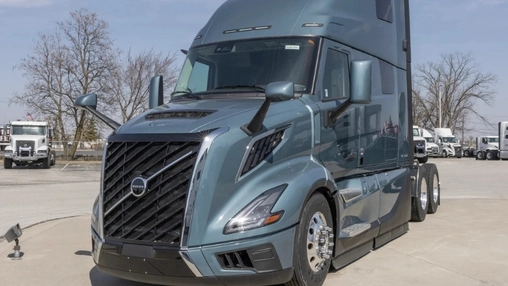
Somewhere on an American highway, a truck without a driver is hauling freight. No rest stops. No shift limits. No wage negotiations. Volvo Autonomous Solutions launched commercial driverless operations in the first quarter of 2026, and the company now has a number attached to its ambitions: $3 billion in revenue within five years.
The logic is not hard to follow. Conventional trucks sit idle for long stretches, bound by rules that require drivers to rest. Autonomous vehicles face no such constraint. Volvo claims this could roughly double vehicle utilisation, which translates, in theory, into lower cost-per-mile figures for freight operators and cheaper delivery costs further down the supply chain.
Over 300 autonomous trucks are planned for deployment by 2027. Highways are the chosen terrain, and sensibly so. Predictable lanes, clear markings, and fewer pedestrians make motorway corridors far more tractable than city streets. The United States, with its vast road network and fierce competition among freight carriers, is the obvious first market.
Yet ambition and arithmetic are not the same thing. Hitting $3 billion in revenue over five years demands sustained contract wins, consistent uptime, and regulatory goodwill from states that have moved at varying speeds on autonomous vehicle rules. A single high-profile incident could set back both public confidence and legislative patience.
For fleet operators, the opportunity is real but uneven. Early adopters who build experience with the technology now may gain an edge before wider industry adoption narrows the gap. Those who wait may find themselves negotiating from a weaker position, both commercially and contractually, as autonomous freight becomes a baseline expectation rather than a premium option.
The broader question is not whether driverless trucks will carry goods across America. On current evidence, they will. The more pressing issue is who bears the cost of transition and who captures the gains, a question that regulators, carriers, and workers will spend the next five years arguing over, well after the trucks have moved on.
Related News


SUBSCRIBE FOR UPDATES
By submitting, you agree to receive email communications from the event organizers, including upcoming promotions and discounted tickets, news, and access to related events.