INSIGHTS
200 Million Miles Later, Waymo Is Rewriting the Ride
Waymo surpasses 200 million driverless miles and 400,000 weekly rides, setting a new commercial benchmark for autonomous transit in 2026
8 Jun 2026
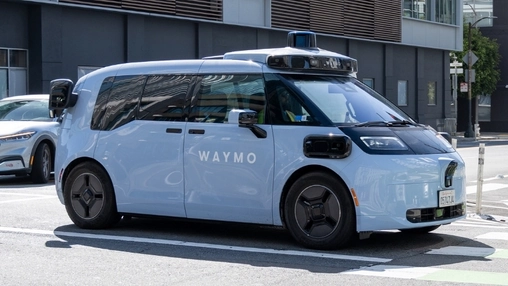
Two hundred million miles. No steering wheel, no driver, no safety net behind the seat. Waymo has quietly crossed a threshold that once felt theoretical, racking up that distance entirely on public roads and turning what was once a moonshot into a functioning transit network.
Backing that milestone are numbers just as striking. More than 20 million individual trips have been completed across several dense American cities, and the service now logs 400,000 rides every week. People who once hailed a human driver are increasingly flagging down a car that drives itself.
Alphabet, Waymo's parent company, is pushing hard to keep the momentum going. Its sixth-generation hardware rollout is cutting fleet production costs while tightening the real-time performance of each vehicle. Cheaper hardware means more cars on more roads, feeding the enormous volumes of real-world data the underlying systems need to keep improving.
Rivalry is sharpening the pace of progress. Both Tesla and other automakers are pursuing their own automated driving strategies, and the competition is forcing faster software development across the industry. For riders, that pressure translates into better technology arriving sooner.
Urban planners and regulators are updating policies to accommodate fleets that no longer need human oversight. Falling hardware costs strengthen the case for long-term financial sustainability, and analysts are watching the trajectory closely. Many predict that driverless taxis will be a standard fixture in American cities before the decade is out.
Reaching underserved neighborhoods remains a stated priority for Waymo's development teams. Whether the company can deliver on that promise at scale will be one of the more consequential tests of what autonomous transit can actually become.
Related News


SUBSCRIBE FOR UPDATES
By submitting, you agree to receive email communications from the event organizers, including upcoming promotions and discounted tickets, news, and access to related events.