REGULATORY
Congress Takes Aim at the Autonomous Truck Wild West
The BUILD America 250 Act creates the first federal safety framework for self-driving commercial trucks, targeting a September 30 passage
4 Jun 2026
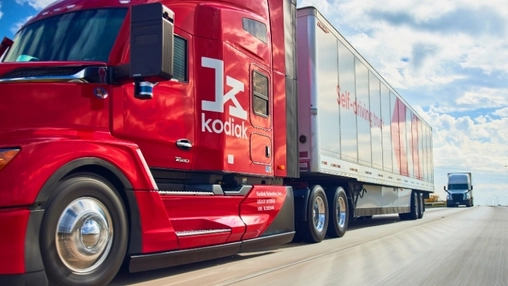
The United States may be close to its first national safety law for self-driving commercial trucks. On 22 May, the House Transportation and Infrastructure Committee approved the BUILD America 250 Act, a five-year infrastructure bill containing the first federal regulatory framework for autonomous heavy-duty vehicles to reach this stage in Congress.
The need has been long apparent. Across 34 states, operators of driverless trucks face different rules in each market, making broad deployment costly, legally uncertain, and slow. A single national standard would materially alter the economics of autonomous freight.
At the centre of the bill is a performance-based safety requirement. Manufacturers would not face prescribed engineering specifications. Instead, they must submit a structured technical case showing their automated driving system performs at least as safely as a human driver, covering hardware, software, operational boundaries, cybersecurity, and crash reporting. Vehicles operating at SAE Level 4 and 5 autonomy, fully driverless with no human fallback, would also carry direct legal liability for real-time driving decisions, resolving an ambiguity that has long troubled the sector.
One long-standing procedural problem would also be addressed. Current federal rules require stalled trucks on highways to deploy physical warning triangles, an impossible standard for an unmanned vehicle. Cab-mounted warning beacons would qualify as a compliant substitute.
Industry reception has been largely positive. Kodiak AI chief executive Don Burnette called the legislation "a significant milestone," saying it would give the Department of Transportation "the tools needed to oversee autonomous trucks at scale." The Autonomous Vehicle Industry Association said a unified ruleset would improve regulatory predictability and draw capital investment. The Owner-Operator Independent Drivers Association dissented, warning that allowing manufacturers to self-certify their technology without independent verification is "very troubling."
School buses and vehicles carrying hazardous materials are excluded from the driverless provisions and must retain a human operator. Remote drivers and dispatchers must be US-based.
Congressional leaders are targeting 30 September for passage. Full House consideration, Senate review, and presidential approval remain ahead.
Related News


SUBSCRIBE FOR UPDATES
By submitting, you agree to receive email communications from the event organizers, including upcoming promotions and discounted tickets, news, and access to related events.